Building Bridges of Trust: Community Cohesion as a Pillar for Peace
Our communities today, more than ever, need a solid foundation of understanding and coexistence. Amidst the challenges, community cohesion emerges as a powerful and essential tool for rebuilding individuals and communities. It is not merely about peaceful coexistence; it goes beyond that to build bridges of trust and mutual respect, especially among groups that may have suffered from marginalization or conflict. This is the primary objective of activities aimed at promoting community cohesion, which serve as the cornerstone of the reintegration process and the establishment of lasting peace.
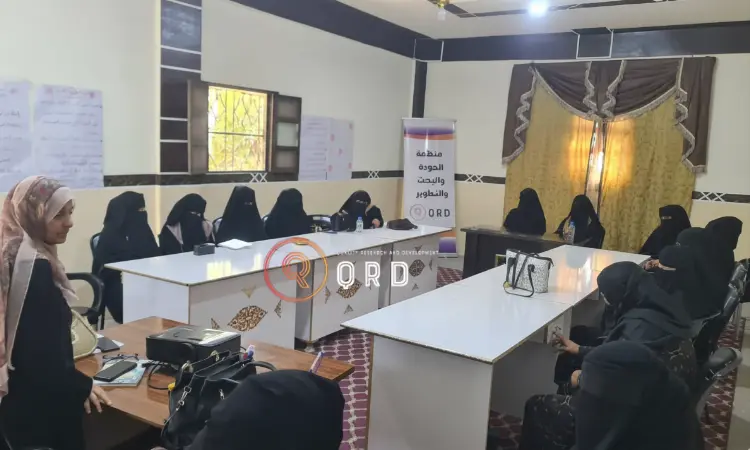
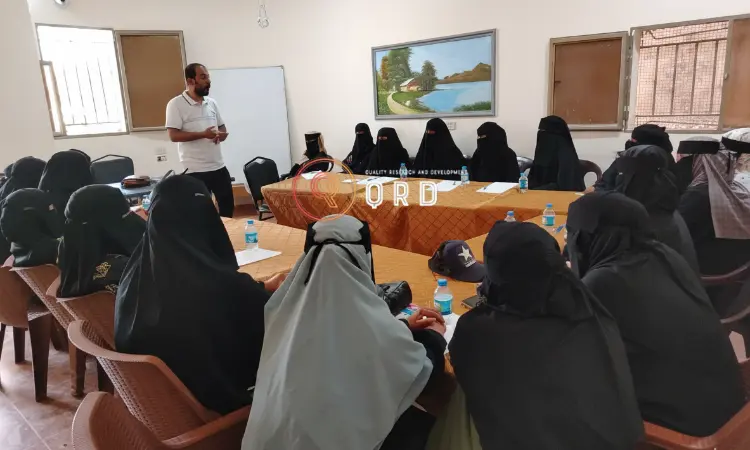
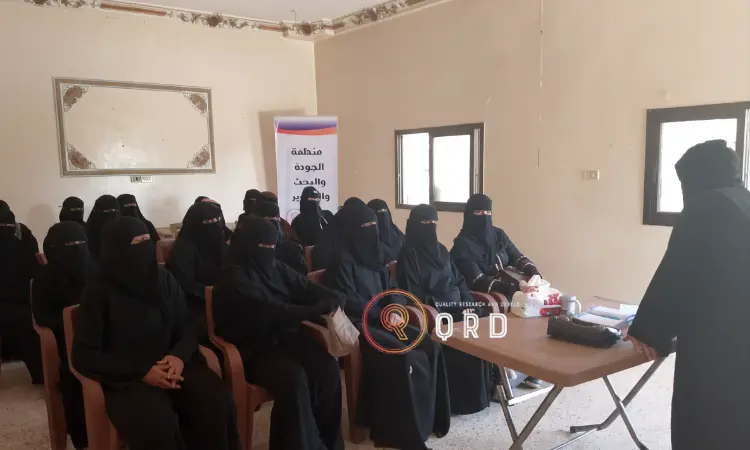
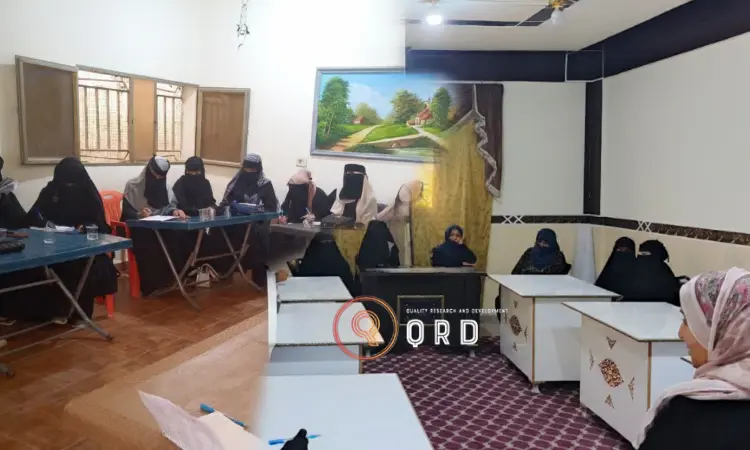
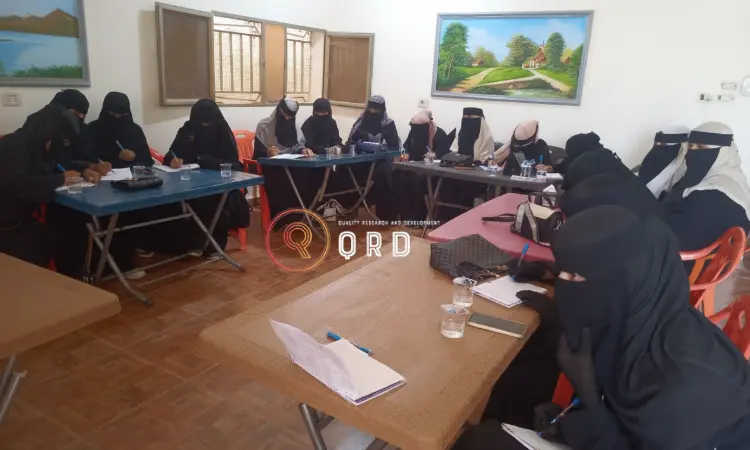
The importance of these activities lies in their ability to create safe spaces for dialogue. In these spaces, individuals from diverse backgrounds are encouraged to share experiences and perspectives freely, without fear of judgment. This is particularly relevant for returnees from conflict-affected areas and host community members who may hold preconceived notions. Through this open dialogue, individuals can see beyond stereotypes and discover the shared humanity that connects them. This direct interaction is the strongest way to address gender inequality and intolerance, as participants come to realize that differences are not a reason for division but a source of enrichment.
However, community cohesion is not just about dialogue; it is a process of learning and skill development. Participants in these activities do not merely listen; they acquire practical tools that enable them to become positive agents in their communities. One of the most important of these tools is conflict resolution skills. Instead of resorting to conflict, individuals learn how to communicate effectively, understand the roots of disagreement, and work together to reach mutually acceptable solutions. They also learn critical thinking, which helps them analyze information and distinguish between facts and rumors—a vital skill in an environment that may be saturated with misinformation.
Advocating for social change is one of the most significant outcomes of these activities. Participants, especially those returning to their communities, become ambassadors for understanding and coexistence. They gain the ability to express their needs and concerns constructively and become capable of convincing others of the importance of peace and integration. This capacity for change extends beyond the personal level to encompass family and the broader community. When community members witness positive changes in the behavior and attitudes of returnees, their acceptance and willingness to engage in the integration process increase.
Ultimately, building community cohesion is an investment in the future. It lays the groundwork for resilient and sustainable communities capable of effectively and peacefully addressing future challenges. Individuals who participate in these activities not only acquire practical skills but also regain their sense of belonging and hope. When returnees see themselves as part of the social fabric, their voices valued, and their contributions appreciated, it enhances their self-confidence and strengthens their desire to become active and positive members of their community.
The reintegration process cannot succeed without a strong foundation of community cohesion. These activities provide that foundation, not through imposition or coercion, but through dialogue, empathy, and cooperation. They serve as a reminder that peace is not merely the absence of conflict, but the presence of justice, dignity, and mutual respect among all members of society.